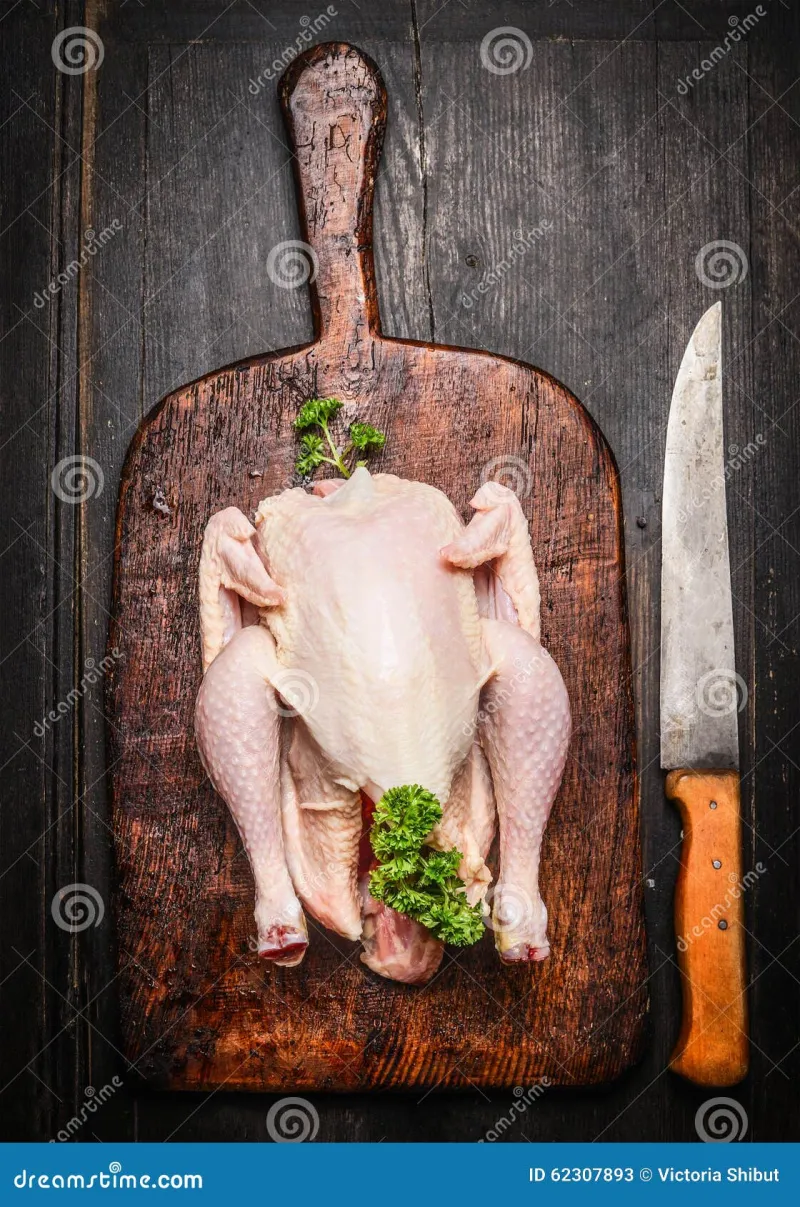
Your Chicken Shouldn't Taste the Same in July as It Does in December — Here's Why
At some point, American home cooks quietly accepted a deal they never consciously agreed to: chicken that tastes like chicken, always, regardless of when you buy it or where it came from. Consistent. Predictable. Reliable. And almost completely devoid of the kind of flavor variation that makes food genuinely interesting.
That's the industrial poultry bargain. And while it's made weeknight dinners easier, it's also erased something that cooks a few generations back took for granted — the idea that a bird raised in summer tastes different from one raised in autumn, and that those differences are worth cooking around.
A handful of small farms, heritage breed producers, and chefs are pushing back. They're talking about chicken the way wine people talk about vintages: with attention to season, terroir, and the specific conditions that shaped what ended up on the plate. It sounds fussy until you actually taste the difference. Then it sounds obvious.
Why Conventional Chicken Has No Season
Conventional poultry production is engineered for consistency. Birds are raised in climate-controlled environments, fed standardized rations, and processed on tight, predictable schedules. The goal is a product that performs the same way every time — same moisture content, same fat distribution, same cook time. Seasonality is a variable to be eliminated, not celebrated.
That's not a criticism so much as a description of what industrial scale requires. When you're producing millions of birds a year for a national supply chain, variation is a problem. Uniformity is the product.
But for chickens raised on pasture — where the birds are actually outside, moving around, eating what grows in the ground — the seasons can't be engineered away. And that's where things get interesting.
What the Pasture Actually Does to Flavor
A pasture-raised chicken's diet changes with the calendar. In spring, they're eating tender new grasses, clover, and a surge of insects coming back to life after winter. Summer brings a different mix — drier grasses, more beetles and grasshoppers, a different set of forage opportunities depending on the region. Fall offers spent garden vegetation on many farms, dropped fruit, and a landscape winding down toward dormancy. Winter birds on pasture eat less forage overall and rely more heavily on supplemental feed.
Each of those dietary realities affects the fat composition, flavor depth, and even the color of the meat. Spring and summer birds raised on lush pasture often have more pronounced fat — sometimes visibly more yellow, reflecting the carotenoids in green forage — and a flavor that's genuinely more complex than their winter counterparts. Fall birds, particularly those that have had access to grain-heavy forage as fields wind down, can develop a richness that some chefs compare to the flavor difference between grass-finished and grain-finished beef.
"The spring birds we raise have this almost grassy, bright quality to the fat," says Tyler Huang, who runs a small pastured poultry operation in the Willamette Valley in Oregon. "By fall, the flavor gets deeper. More savory. The fat renders differently. I'm cooking them differently in my own kitchen depending on the time of year."
Heritage Breeds Make It Even More Pronounced
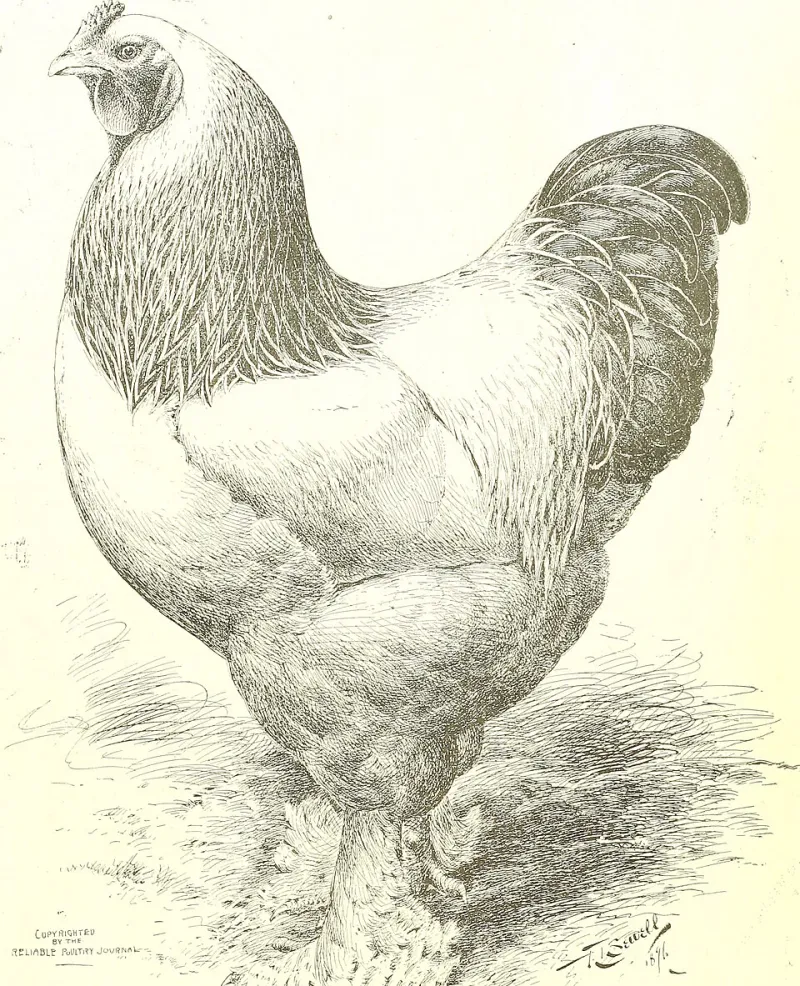
If you want to taste seasonal variation at its most dramatic, heritage breed chickens are where to look. Breeds like the Delaware, the Dominique, the Buckeye, and the Barred Plymouth Rock were developed over generations for outdoor living and foraging ability — traits that make them far more responsive to seasonal environmental changes than modern commercial breeds.
They also grow slower, which matters enormously for flavor development. A heritage bird raised to processing weight over 14 to 20 weeks has had significantly more time to develop muscle fiber, fat marbling, and the complex flavor compounds that fast-growing commercial breeds simply don't have the time to build.
Slow growth plus seasonal pasture equals a bird that actually rewards paying attention. Chefs who work with heritage breeds talk about adjusting their preparations by season almost instinctively — roasting spring birds simply to let the clean, bright flavor come through, braising fall birds low and slow to coax out the deeper richness they've developed.
Tasting Notes, by Season
Think of this less as a rigid rulebook and more as a starting framework for noticing what's actually in front of you.
Spring birds raised on pasture tend toward leaner, lighter meat with a clean finish. The fat is often more delicate, and the overall flavor profile rewards simple preparation — a spatchcocked bird roasted with herbs, or pieces grilled over moderate heat without heavy seasoning. Let the chicken be the feature.
Summer birds, particularly those with access to abundant insect forage, often show more depth and a slight savory complexity. This is a good time for dry brining, which concentrates flavor, and for high-heat cooking methods that develop crust and char. The fat holds up well to assertive seasoning.
Fall birds are where things get genuinely exciting for cooks who love braises and slow roasts. The accumulated richness of a full season on pasture shows up in the meat's texture and depth. Think cast iron, low oven temperatures, and the kinds of root vegetables that are themselves at their peak in autumn. A heritage bird braised with cider and onions in October is a different animal — literally — than the same recipe in April.
Winter pastured birds, where available, are often leaner and milder due to reduced forage access. They respond well to techniques that add richness from outside the bird — butter-basting, compound butter under the skin, or braising liquids with body and depth.
How to Actually Cook for the Season
None of this requires a complete overhaul of your cooking repertoire. It starts with sourcing — finding a farm-direct supplier or farmers market vendor who raises birds on pasture and can tell you something about what the birds have been eating. Ask questions. Good producers love talking about this stuff.
From there, it's about paying attention. Does this bird have more visible fat than the last one you bought? Is the skin more deeply colored? These are cues. Taste a piece of the rendered fat before you season the whole bird — it'll tell you something.
Adjust your seasoning and cooking method based on what you find, not just what the recipe says. A richer, fattier fall bird doesn't need as much added fat in the pan. A leaner spring bird might benefit from a brief brine to keep it from drying out over high heat.
Getting Comfortable With Variation
The hardest part of seasonal cooking is making peace with inconsistency. We've been trained by decades of standardized supermarket poultry to expect the same result every time. When a bird cooks a little differently than the last one — renders more fat, browns faster, tastes more complex — it can feel like something went wrong.
Nothing went wrong. That's just a real chicken, raised in a real season, tasting like the specific moment it came from. Learning to read those variations and cook accordingly is one of the more satisfying skills you can develop in the kitchen.
And honestly? Once you've tasted a properly raised fall bird braised until it's falling off the bone, you'll stop missing the consistency you gave up.