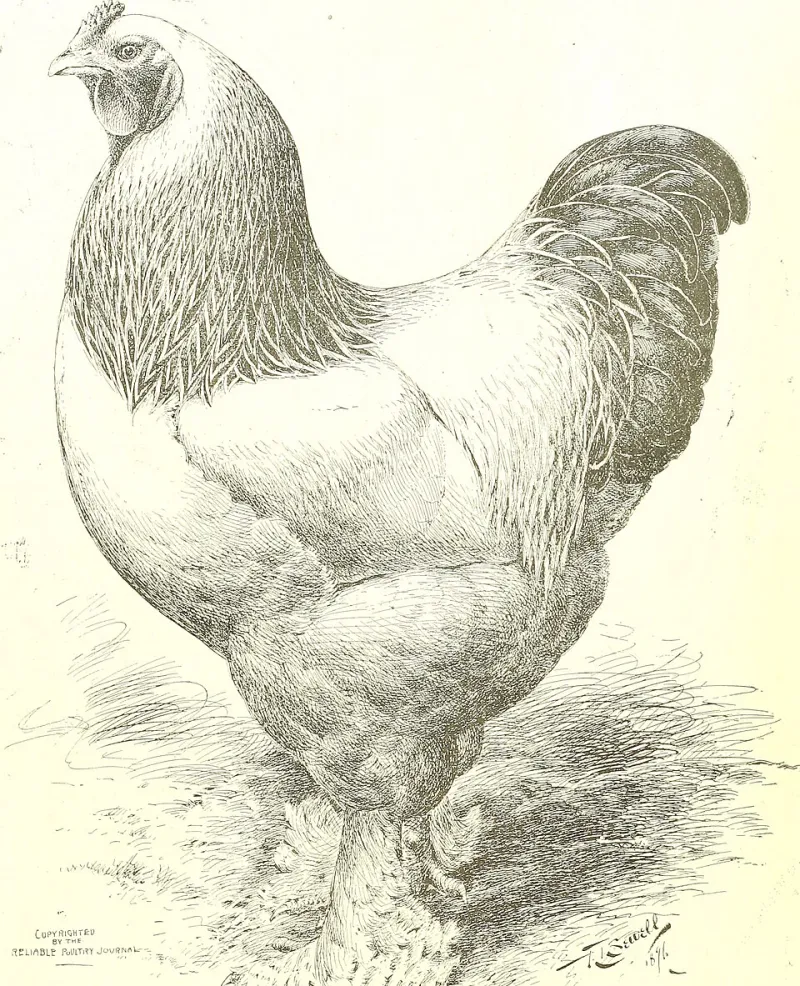
Beak to Backbone: How Chefs Are Turning the Whole Bird Into Their Best Dishes
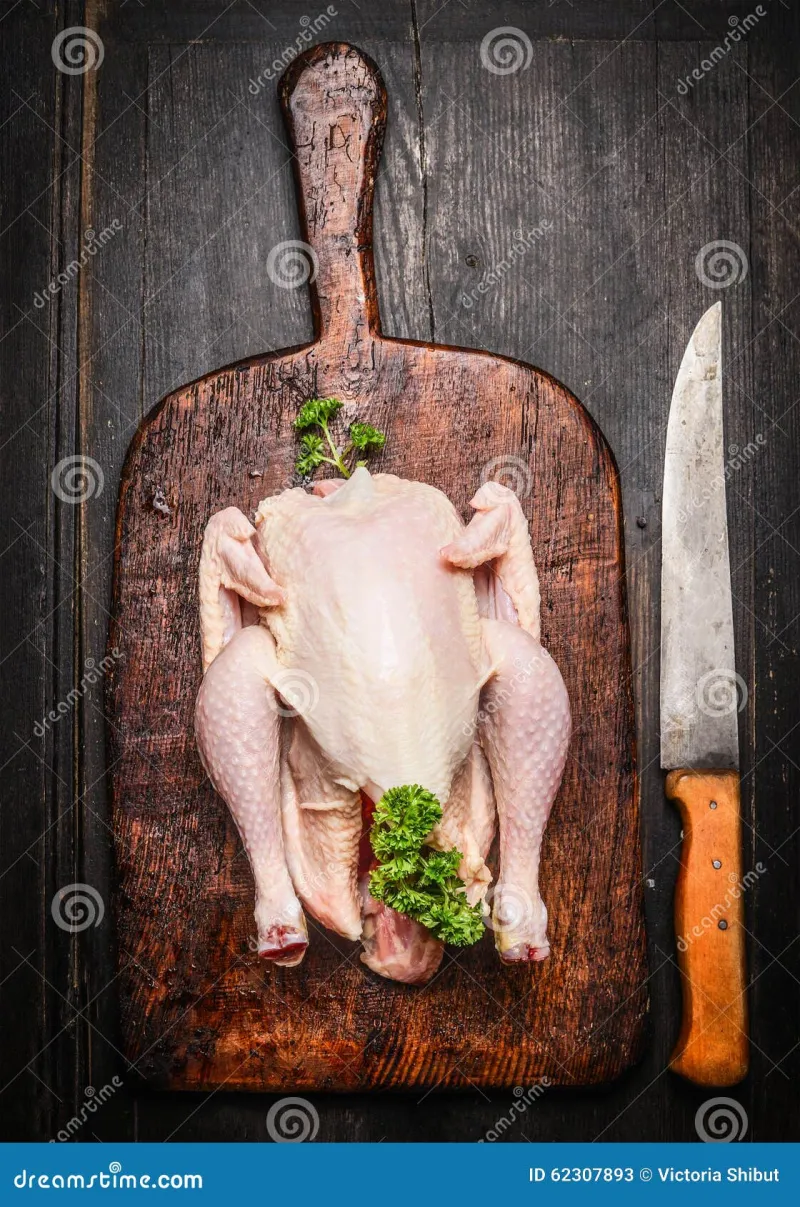
Photo: whole chicken butchery breakdown on wooden cutting board rustic kitchen, via thumbs.dreamstime.com
For decades, the American chicken conversation has been dominated by two players: the breast and the thigh. Walk into almost any casual restaurant in this country and you'll find those familiar cuts front and center, while the rest of the bird quietly disappears into the background — or worse, straight into the trash. But something is shifting. Quietly at first, and now with real momentum, chefs from Brooklyn to Nashville to the Bay Area are asking a pointed question: why are we only telling half the story?
Whole-bird cookery — the practice of using every part of the chicken, from the liver to the neck to the rendered fat — has roots that stretch back centuries. It's how your grandmother cooked. It's how farmhouse kitchens across Europe still operate. And increasingly, it's how some of the most exciting restaurants in America are building their menus.
The Parts We Forgot (And Why We Forgot Them)
The shift toward boneless, skinless convenience happened gradually over the second half of the 20th century. As industrial chicken production scaled up and grocery stores optimized for speed and simplicity, Americans gravitated toward the easy cuts. Gizzards, hearts, and livers got pushed to the margins — associated with either poverty-era cooking or exotic cuisine, depending on who you asked.
But here's the thing: those forgotten parts are genuinely delicious. Chicken hearts, when properly cleaned and quickly seared over high heat, have a rich, almost beefy depth that a breast can't touch. Gizzards, braised low and slow until tender, develop a satisfying chew and take on whatever flavors you throw at them. And chicken liver? A well-made dirty rice or a silky chicken liver mousse on toasted sourdough can stop a dinner party cold.
Chef Marcus Tully, who runs a farm-to-table restaurant in Asheville, North Carolina, started incorporating offal into his menu about four years ago — not as a gimmick, but out of genuine respect for the animals he was sourcing. "When I'm paying a premium for a bird raised right, on pasture, with real care behind it, it feels almost disrespectful to only use part of it," he says. "The whole bird tells the whole story."
Bones: The Unsung Heroes of the Kitchen
If offal feels like a stretch for some diners, bones are where most chefs start the whole-bird conversation. A proper chicken stock made from roasted carcasses — backs, necks, feet included — is a fundamentally different product than anything that comes out of a carton. It's gelatinous, complex, and deeply savory in a way that forms the backbone (literally) of serious cooking.
At a Chicago restaurant that sources exclusively from Midwest family farms, the kitchen runs what the chef calls a "zero-carcass policy." Every bird that comes through the door gets broken down in-house, and the bones are immediately roasted and simmered. The resulting stock becomes the base for sauces, braises, and the risotto that's been on the menu since day one.
"Chicken feet are the secret weapon," says the restaurant's sous chef. "They're loaded with collagen. When you add a handful of feet to your stock pot, you get this incredible body that makes everything it touches feel more luxurious."
For home cooks, this is genuinely accessible territory. Save your carcasses in a zip-lock bag in the freezer. When you've got two or three, roast them until golden and make a big batch of stock. Freeze it in quart containers. You'll wonder how you ever cooked without it.
Gizzards, Hearts, and the Offal Renaissance
The more adventurous end of the whole-bird movement involves the organs — and this is where chefs are having real fun. Across the South, chicken gizzards have never gone out of style. Fried gizzards at roadside joints in Georgia and Mississippi have maintained devoted followings for generations. But now they're showing up on upscale menus, reimagined with Korean gochujang glazes or served alongside pickled vegetables and house-made hot sauce.
Chicken hearts are perhaps the most underrated cut in the whole bird. Small enough to cook in minutes, they benefit from nothing more than a screaming-hot cast iron pan, a little butter, and some fresh thyme. Skewered and grilled, they're a staple at Brazilian churrascarias and increasingly at American barbecue spots looking to offer something genuinely different.
The liver question is trickier — it's a polarizing ingredient with a texture and flavor profile that requires some coaxing for the uninitiated. But chefs who've cracked the code swear by it. The key, most agree, is not overcooking it. A chicken liver that's still slightly pink in the center is a completely different experience than one that's been cooked to gray. Pair it with caramelized onions, a splash of sherry, and serve it on toast, and you've got a dish that converts skeptics.
The Sustainability Angle That Actually Makes Sense
Beyond flavor, there's a practical argument for whole-bird cooking that's hard to dismiss. When a restaurant or home cook commits to using every part of the bird, the economics of buying higher-quality, more humanely raised chickens start to pencil out differently. A pasture-raised bird from a local farm costs more per pound than a factory-farmed equivalent — but when you're extracting value from the bones, the organs, and the rendered fat in addition to the primary cuts, that cost gap narrows significantly.
This is the philosophy baked into everything we celebrate at The Chicken Box Factory. The birds we spotlight — raised with care, given space to move, fed well — deserve to be honored fully. Buying a whole bird from a farmer you trust and using every last bit of it is one of the most direct ways a cook can connect their values to their cooking.
Getting Started at Home
You don't need a professional kitchen to start exploring whole-bird cooking. Here's a simple entry point: next time you roast a chicken, save the carcass and make stock. Render the extra fat and use it to roast vegetables. If your butcher sells chicken livers, grab a container and try them sautéed simply with butter and herbs. Start there.
The chefs leading this movement didn't arrive at whole-bird mastery overnight. They started with curiosity — a willingness to look at the parts they'd been ignoring and ask what they might be missing. Nine times out of ten, the answer was: quite a lot.
The whole bird has always been there, waiting. It just needed someone willing to tell its story.