The Farmers Fighting Back: How America's Independent Chicken Growers Are Rewriting the Rules
Photo: Wishva de Silva, CC BY-SA 3.0, via Wikimedia Commons
Walk into any big-box grocery store and you'll find chicken everywhere — shrink-wrapped, uniform, priced by the pound, and raised in a system so consolidated that just a handful of corporations control most of what Americans eat. But something is shifting. Quietly, stubbornly, and with a whole lot of mud on their boots, a growing number of small-scale farmers are breaking away from that model and building something different.
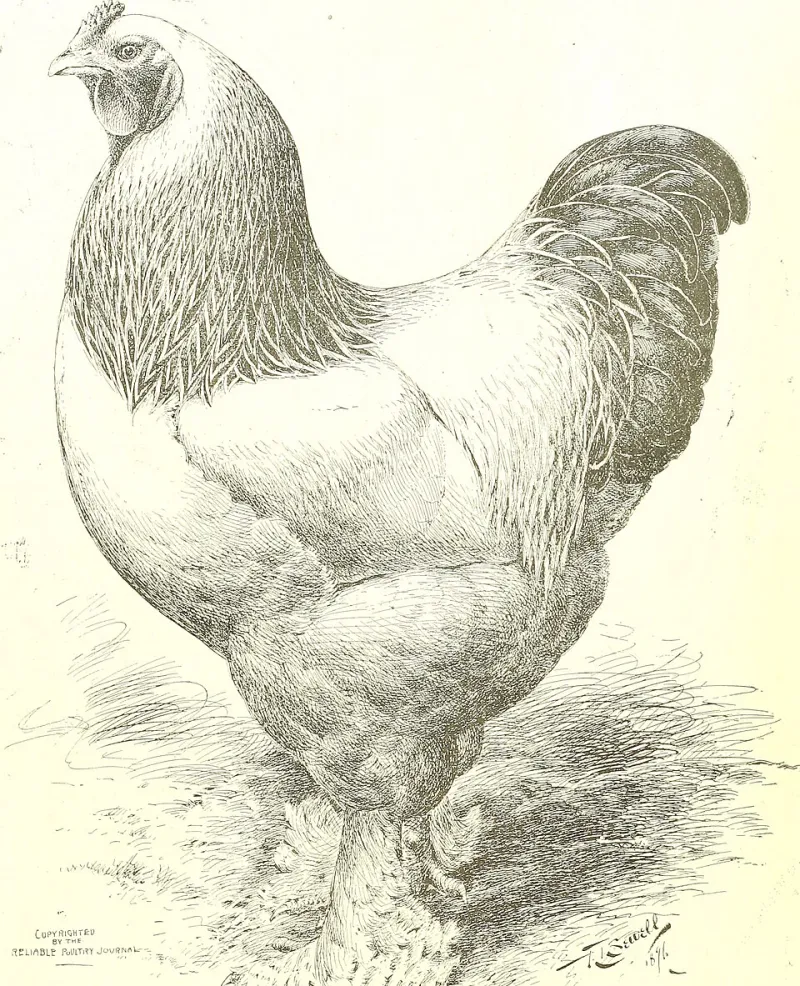
They're raising heritage breeds with names like Dominique, Delaware, and Buff Orpington. They're selling direct to restaurants and farmers markets. And they're proving that the way a chicken is raised matters — not just ethically, but on the plate.
Here at The Chicken Box Factory, this is exactly the kind of story we love. Because better farming means better food, and better food is what we're all about.
Why Small Farmers Are Walking Away From Big Contracts
For decades, the dominant path for a poultry farmer was to sign a contract with one of the major integrators — companies that supply the chicks, the feed, and the processing, while the farmer provides the land, the labor, and the infrastructure. It sounds like a partnership, but many farmers describe it as anything but.
"You end up owning all the risk and none of the upside," says Marcus Webb, who runs a 40-acre operation outside Asheville, North Carolina. Webb raised commodity broilers for eight years before walking away. "They can change the terms, change the feed, change the birds — and you just have to go along with it. I was working harder every year and making less."
Webb transitioned to heritage-breed chickens in 2019, starting with a small flock of Freedom Rangers and slowly expanding to include Naked Necks and Cornish Cross raised on pasture. Today he sells to four restaurants in the Asheville area and has a waitlist for his farmers market spots. The margins are tighter than he expected — but the control is his.
Heritage Breeds: Slower, Tastier, and Worth the Wait
One of the biggest differences between industrial and small-scale farming isn't just the conditions — it's the bird itself. Commercial broilers are bred almost exclusively for speed and breast size, reaching market weight in about 42 days. Heritage and specialty breeds take twice as long or more, which costs more to produce but results in a dramatically different eating experience.
"The flavor is just incomparable," says Chef Dana Okafor, who sources exclusively from small farms for her restaurant in Chicago's Logan Square neighborhood. "When I get a heritage bird, the thighs are darker, the fat is more distributed, and even the breast has actual taste. You don't need to do much to it — the chicken does the work."
That deeper flavor comes from a combination of genetics, slower growth, and access to pasture. Heritage breeds develop more muscle fiber over a longer life, and pasture access means varied diets that include insects, grasses, and whatever else the bird can forage. The result is fat that's richer in omega-3s and a texture that holds up beautifully to high-heat cooking.
From the Ozarks to the Pacific Northwest: Farmers Doing It Their Way
In southern Missouri, sisters Tamara and Leah Pruitt run Cloverhill Poultry on land that's been in their family for three generations. They raise a rotating selection of breeds — currently Delaware, Buckeye, and a small experimental flock of La Fleche — and process everything on-site in a USDA-inspected facility they built themselves.
"People think small-scale means low-tech, but we've invested serious money in doing this right," Tamara says. "Our processing facility is cleaner than most commercial plants I've toured. We just have more at stake — our name is on every bird."
The Pruitts sell to a mix of direct consumers, two St. Louis restaurants, and a regional food co-op. They're not getting rich, but they're making a living on their own terms — and they're building something they can pass down.
Out on the West Coast, third-generation farmer Diego Espinoza raises Crevecoeur and Jersey Giant chickens on a hillside property in Sonoma County, California. His birds take up to 16 weeks to reach market weight, and he prices accordingly. "I had a customer complain once that my chicken cost too much," he says with a laugh. "I asked them how long they thought it took to raise it. When I told them, they never complained again."
Espinoza's birds are a fixture at several Bay Area farm-to-table restaurants, where chefs treat them as a seasonal ingredient — something to be featured, not just used.
The Economic Reality: Hard Math, Real Rewards
Let's be honest: small-scale poultry farming is not an easy path to financial security. Feed costs, processing infrastructure, marketing, and the sheer time investment make it a challenging business model. Many small farmers supplement their income with other livestock, market gardening, or off-farm work.
But there's a growing market willing to pay for quality, and the restaurants and food lovers who've discovered heritage chicken are some of the most loyal customers in the food world. Farmers who've built direct relationships with chefs and consumers describe a kind of stability that doesn't depend on commodity prices or corporate contracts.
"I know every restaurant I sell to by name," says Webb. "If something goes wrong — a bad hatch, a disease issue — I can call them and work it out. That relationship is worth something."
What This Means for What's on Your Plate
The rise of small-scale chicken farming isn't just a feel-good story — it's a genuine shift in what's available to American eaters. More restaurants are sourcing regionally, more grocery co-ops are carrying locally raised birds, and more home cooks are discovering that a chicken raised with care tastes fundamentally different from what they grew up with.
At The Chicken Box Factory, we've built our whole identity around celebrating chicken done right — from the farm to the prep table to the finished dish. That means supporting the farmers who are doing the hard work of raising better birds, and making sure the people cooking and eating them understand where that quality comes from.
The next time you sit down to a really great piece of chicken — the kind where you actually stop mid-bite and pay attention — there's a good chance a farmer like Marcus, Tamara, Leah, or Diego is somewhere in the story. That's not a small thing. That's the whole thing.