Stop Sleeping on These 5 Chicken Cuts — Chefs Have Known the Secret for Years
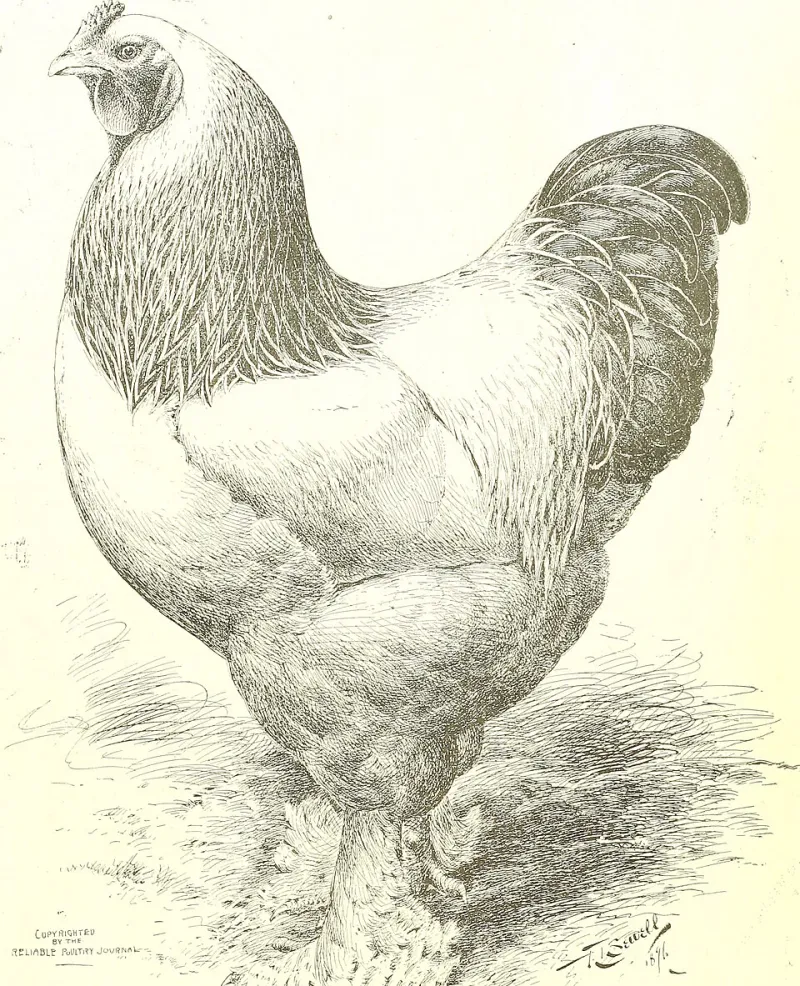
Photo: Internet Archive Book Images, No restrictions, via Wikimedia Commons
Here's a truth that every serious cook eventually figures out: the most popular cut isn't always the best one. Boneless skinless chicken breast has dominated American kitchens for decades — it's lean, it's familiar, it's everywhere. But ask any chef who's spent real time in a professional kitchen what their favorite chicken cuts are, and you're going to get a very different answer.
At The Chicken Box Factory, we're obsessed with chicken in all its forms — and that means the whole bird, not just the parts that end up in meal kit boxes. So we put together this guide to five cuts that deserve way more love than they get. Some of these might be new to you. All of them are worth trying.
1. The Oyster: The Hidden Gem You've Probably Never Ordered
What it is: Tucked into a small pocket on either side of the chicken's backbone, the oyster is a small, round nugget of dark meat that most people never encounter because it gets removed during butchering — or worse, left behind on a carcass.
Why chefs love it: "The oyster is the most flavorful bite on the entire bird," says culinary instructor James Tran, who teaches butchery workshops in Houston. "It's tender, it's rich, and it's got this concentrated chicken flavor that the breast just can't match. When I'm breaking down a chicken, the oysters are the chef's treat."
How to cook it: The easiest way to get your hands on oysters is to break down a whole chicken yourself and save them before you portion the rest. They're best cooked quickly — a hot cast iron skillet with butter, garlic, and fresh thyme for two to three minutes per side is all they need.
Quick recipe: Pan-seared chicken oysters over creamy white beans. Season with salt, pepper, and smoked paprika. Sear in a screaming hot skillet for 2-3 minutes per side. Rest for a minute, then serve over warmed white beans finished with lemon juice and good olive oil. Simple, stunning.
Nutritional note: Like all dark meat, oysters are higher in iron and zinc than white meat, plus they carry a bit more fat — which is exactly where the flavor lives.
2. Chicken Hearts: Small But Mighty
What it is: Exactly what it sounds like. Chicken hearts are small, dense, and packed with flavor. They're widely eaten throughout Latin America, Brazil in particular, where they're a staple of churrasco grilling culture. In the US, they're underappreciated — which is a shame.
Why chefs love it: "Hearts have this almost beefy quality that surprises people," says chef Rosa Delgado, who runs a farm-to-table spot in San Antonio. "They're firm but not tough, and they take on marinades really well. Once someone tries them grilled on a skewer, they're converted."
How to cook it: Trim any visible fat or connective tissue from the top of the heart, then marinate in olive oil, garlic, lime juice, and cumin for at least 30 minutes. Thread onto skewers and grill over high heat — about 3 minutes per side. Don't overcook them; you want a slight pink in the center.
Quick recipe: Brazilian-style grilled chicken hearts. Marinate in lime, garlic, olive oil, and a pinch of cayenne for an hour. Skewer and grill hard and fast. Serve with chimichurri and crusty bread. Feeds four as an appetizer for next to nothing.
Nutritional note: Chicken hearts are one of the most nutrient-dense foods you can eat — high in protein, B12, iron, and CoQ10, an antioxidant that's good for heart health. Yes, really.
3. Chicken Gizzards: The Underdog With Serious Potential
What it is: The gizzard is a muscular part of the chicken's digestive system, used to grind up food. It's dense, chewy, and — when cooked correctly — genuinely delicious. It's also one of the most affordable proteins at any butcher counter.
Why chefs love it: "Gizzards are a technique cut," explains Tran. "They reward patience. If you rush them, they're tough and unpleasant. But if you braise them low and slow, they become silky, rich, and deeply savory. It's a cut that teaches you something about cooking."
How to cook it: The key is time. Gizzards need to be braised or slow-cooked to break down their tough muscle fibers. A pressure cooker cuts the time dramatically. Clean them well, trim the silver skin, then braise in chicken stock, onion, garlic, and bay leaves for 45 minutes to an hour until tender.
Quick recipe: Southern-style smothered gizzards. Dredge cleaned gizzards in seasoned flour and brown in a Dutch oven. Remove and cook down onions and bell pepper in the same pot. Return gizzards, add chicken stock to halfway up, cover, and braise on low heat for 1 hour. Serve over white rice. Classic, comforting, and about $3 to feed a family.
Nutritional note: Gizzards are extremely high in protein and low in fat, making them one of the leanest cuts on the bird. They're also rich in zinc and selenium.
4. Chicken Tenders (The Real Ones): Not What You Think
What it is: We're not talking about the breaded kind from the freezer aisle. The true chicken tender — technically called the tenderloin — is a small strip of white meat that runs along the underside of the breast, attached by a tendon. It's often sold separately or included when you buy a whole breast.
Why chefs love it: "The tenderloin is more forgiving than the breast," says Delgado. "It cooks faster and it stays juicy even if you push it a little. It's also got a slightly more delicate texture. I use them for quick sautés and pan sauces when I need something fast."
How to cook it: Remove the white tendon by pressing the tip against a cutting board and pulling the meat away with a paper towel for grip. Season simply and cook in a hot pan with butter — they need only 2-3 minutes per side. Don't walk away from them.
Quick recipe: Lemon-butter chicken tenderloins with capers. Season with salt and white pepper. Sear in butter until golden. Remove from pan, add a splash of white wine, chicken stock, lemon juice, and capers. Reduce by half, swirl in a knob of cold butter, and pour over the tenders. On the table in 15 minutes.
Nutritional note: Tenderloins are nearly as lean as a chicken breast with comparable protein content — great for high-protein diets without sacrificing tenderness.
5. Chicken Backs: The Stock Secret Every Great Cook Knows
What it is: The back of the chicken is mostly bone with small amounts of dark meat clinging to the frame. It's often the cheapest part at the butcher — sometimes sold by the pound for almost nothing — and it's the foundation of the best chicken stock you'll ever make.
Why chefs love it: "I always say, if you want to know how good a restaurant's cooking is, taste the stock," says Tran. "Backs give you gelatin, they give you depth, they give you that body that makes a sauce coat a spoon. It's the most important cut in the kitchen that nobody talks about."
How to cook it: Roast the backs at 425°F for 30-40 minutes until deeply browned. This step is non-negotiable — it's what gives stock its color and roasted depth. Then transfer to a stockpot with onion, celery, carrot, peppercorns, and bay leaves. Cover with cold water and simmer (never boil) for 3-4 hours. Strain, cool, and refrigerate. The fat will solidify on top and can be skimmed off — or left in for richness.
Quick recipe: Roasted chicken back stock. Roast 3-4 backs until mahogany-colored. Simmer with aromatics for 3-4 hours. Strain and reduce by a third for a concentrated, gelatinous stock that sets like jello when cold. Use it as the base for soups, braises, pan sauces, or risotto. Freeze in ice cube trays for easy portioning.
Nutritional note: Bone broth and stock made from backs are rich in collagen, which breaks down into gelatin during cooking and has been associated with joint and gut health benefits.
The Takeaway: Think Beyond the Breast
Nose-to-tail cooking isn't just a trend — it's how people ate for most of human history, and it's how professional kitchens still operate. Every cut has a purpose, a technique, and a payoff. The farmers we work with raise birds that deserve to be used fully and thoughtfully, not just harvested for the most convenient parts.
So next time you're at the butcher counter or breaking down a whole bird at home, think about what you might be passing over. The oyster hiding near the backbone. The hearts waiting in a tray by the register. The backs piled up for practically nothing. These are the cuts that chefs get excited about — and now you know why.