Old Birds, New Tricks: The Heritage Chicken Revival That's Got Chefs Rethinking Everything

Photo by Photo by Brian Park on Unsplash on Unsplash
Let's be honest about something: most Americans have never tasted chicken the way chicken actually tastes.
That's not a knock on anyone's cooking. It's just the reality of what seven decades of industrial poultry breeding has done to the bird on our plates. The modern commercial broiler — almost exclusively a Cornish Cross hybrid — was engineered for one thing above all else: rapid, efficient weight gain. It reaches market weight in roughly six weeks. Its breast is enormous. Its flavor is... mild. Reliably mild. Consistently, inoffensively mild.
For a lot of applications, that's fine. For a food culture that's increasingly obsessed with provenance, complexity, and the story behind what's on the plate, it's starting to feel like a missed opportunity.
Enter the heritage breed.
A Quick History Lesson Worth Knowing
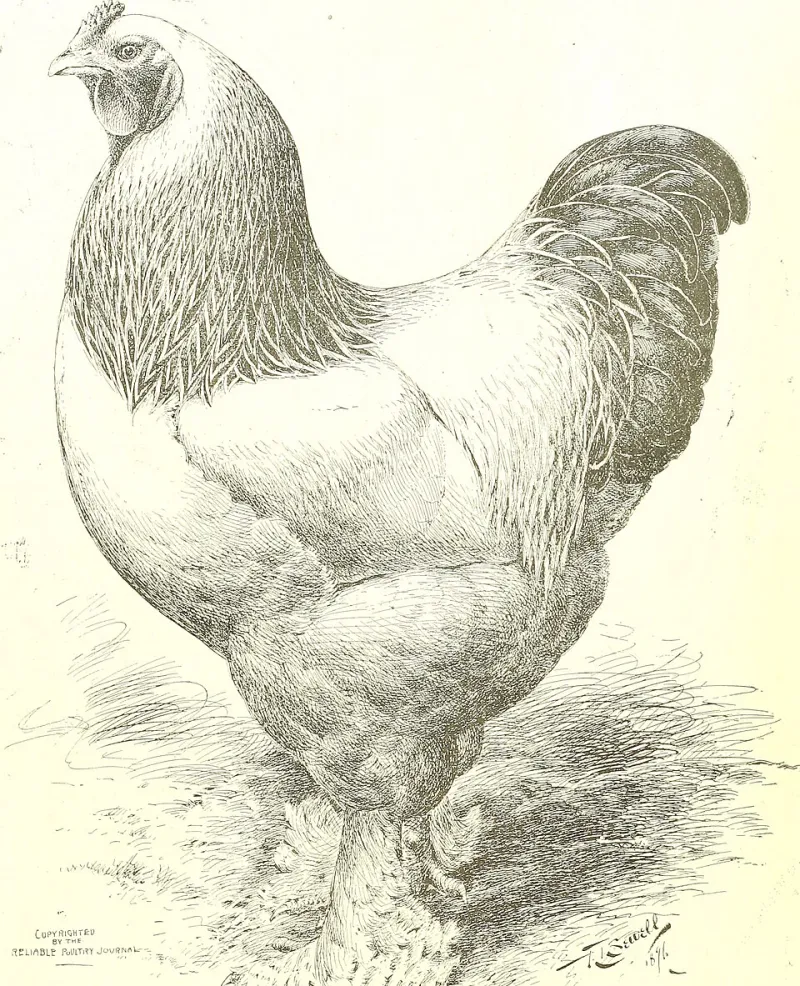
Before the mid-20th century consolidation of American poultry production, farms across the country raised dozens of distinct chicken breeds, many of them developed right here in the United States. The Wyandotte, bred in the 1870s in upstate New York. The Buckeye, the only American breed developed entirely by a woman, Nettie Metcalf of Ohio, in the 1890s. The Dominique, widely considered the oldest American chicken breed, with roots going back to colonial times.
These birds weren't bred for speed. They were bred for hardiness, for adaptability to local climates, and — critically — for flavor. They foraged. They grew slowly. Their muscles developed differently, their fat distributed more evenly, and the resulting meat had a depth and complexity that modern commercial birds simply don't replicate.
Then the industrial model took over, these breeds got sidelined, and most Americans forgot they'd ever existed.
A dedicated network of small hatcheries, heritage breed societies, and increasingly, adventurous chefs, is working hard to change that.
What Makes Heritage Chicken Actually Taste Different
This is the part that tends to surprise people when they first cook with a heritage bird.
The texture is firmer — noticeably so. A heritage broiler raised to 16 or 18 weeks has muscles that have actually been used, which means more connective tissue, more intramuscular fat, and a chew that rewards slow cooking in a way a six-week Cornish Cross never will. Braise a heritage bird and the braising liquid becomes something extraordinary. Roast one low and slow and the skin crisps into something almost lacquer-like.
The flavor itself is harder to describe without resorting to the kind of food-writing clichés we try to avoid. But chefs who work with these breeds consistently use words like "nutty," "savory," and "complex" — a depth that lets a simply seasoned bird carry a dish on its own merits.
Different breeds also have genuinely distinct flavor profiles, which is something the culinary world is only beginning to explore seriously. Australorps, originally developed in Australia from Black Orpington stock, tend toward a rich, almost gamey note that pairs beautifully with earthy preparations. Cornish Blues — not to be confused with the commercial Cornish Cross — have a cleaner, more delicate flavor with exceptional skin-to-meat ratio. Silver-Laced Wyandottes produce a bird that many chefs describe as the most "classically chicken" flavor they've encountered, whatever that means to you.
The Farmers and Hatcheries Keeping the Genetics Alive
None of this culinary conversation would be possible without the small operations that kept heritage breed genetics from disappearing entirely during the industrial era.
Organizations like the Livestock Conservancy have spent decades documenting, advocating for, and actively supporting the preservation of rare poultry breeds. Their Conservation Priority List reads like a roster of forgotten American agricultural history, and it's been instrumental in connecting small hatcheries with farmers who want to raise something beyond the standard commercial hybrid.
Across the country, family-scale hatcheries are seeing renewed interest from two very different customer bases: backyard flock enthusiasts who want birds with personality and self-sufficiency, and small commercial producers who've identified a genuine market niche in the farm-to-table restaurant world.
The economics are challenging. Heritage birds cost more to raise — more feed over a longer grow period, more land, more labor. That cost gets passed on, and heritage chicken at $10 to $12 a pound retail isn't for every household. But the market is there, and it's growing, particularly in cities where food-literate consumers are actively seeking out products with story and substance.
How to Cook a Heritage Bird (and Why It's Different)
If you get your hands on a heritage breed chicken, resist the urge to treat it like a supermarket bird. The techniques that work for a Cornish Cross will underserve what you've paid for.
Give it time. Heritage birds benefit from longer, lower cooking temperatures. A roast at 325°F for an extended period will reward you far more than a hot, fast blast. The connective tissue needs time to break down and baste the meat from the inside.
Don't discard the carcass. The bones and carcass of a heritage bird make an exceptional stock — richer, more gelatinous, and more flavorful than anything you'll get from a commercial bird. It's one of the most noticeable differences, and it matters enormously if you're building sauces.
Season simply. The bird has flavor. Let it. Salt, fat, aromatics, and heat are all you need to let a heritage chicken tell its own story on the plate.
Consider the braise. Thighs and legs from a heritage bird, braised low and slow with good wine, garlic, and whatever herbs are around, might be the single most satisfying chicken dish you've ever made. The texture that comes from properly cooked heritage dark meat is genuinely revelatory.
Why This Matters Beyond the Plate
The heritage breed revival isn't just a culinary trend. It's a form of agricultural preservation that has real implications for the resilience of the American food system.
Genetic diversity in livestock is a hedge against the vulnerabilities that come with monoculture. A disease that devastates a single commercial breed — and it has happened — can ripple through the entire supply chain. Maintaining a broad genetic pool of poultry breeds means options exist when the system needs them.
At The Chicken Box Factory, we think about chicken the way a craftsperson thinks about their materials: the quality of what you start with shapes everything that follows. Heritage breeds represent a standard of quality — of flavor, of history, of agricultural intention — that the industrial model traded away in exchange for speed and scale.
Getting it back is going to take time. But the birds are out there, the farmers are raising them, and the chefs are cooking them. All that's left is for the rest of us to show up hungry.