Forget Nose-to-Tail — The Whole-Bird Mindset Is What Your Kitchen Actually Needs
For a while there, nose-to-tail was everywhere. It was on menus, in cookbooks, on food blogs written by people who really, really wanted you to know they made their own headcheese. The philosophy — use every part of the animal, waste nothing — was genuinely important. It pushed back against industrial food culture and made a lot of people think harder about where their meat came from.
But somewhere along the way, nose-to-tail became a performance. It became something chefs did to impress other chefs, a credential more than a practice. And for home cooks, it was mostly inaccessible. Not everyone has the skills, the equipment, or honestly the desire to break down a pig's head on a Tuesday night.
So here's the thing: nose-to-tail is fading. And what's growing in its place is something more honest, more practical, and arguably more meaningful — especially when it comes to chicken.
What the Whole-Bird Philosophy Actually Is
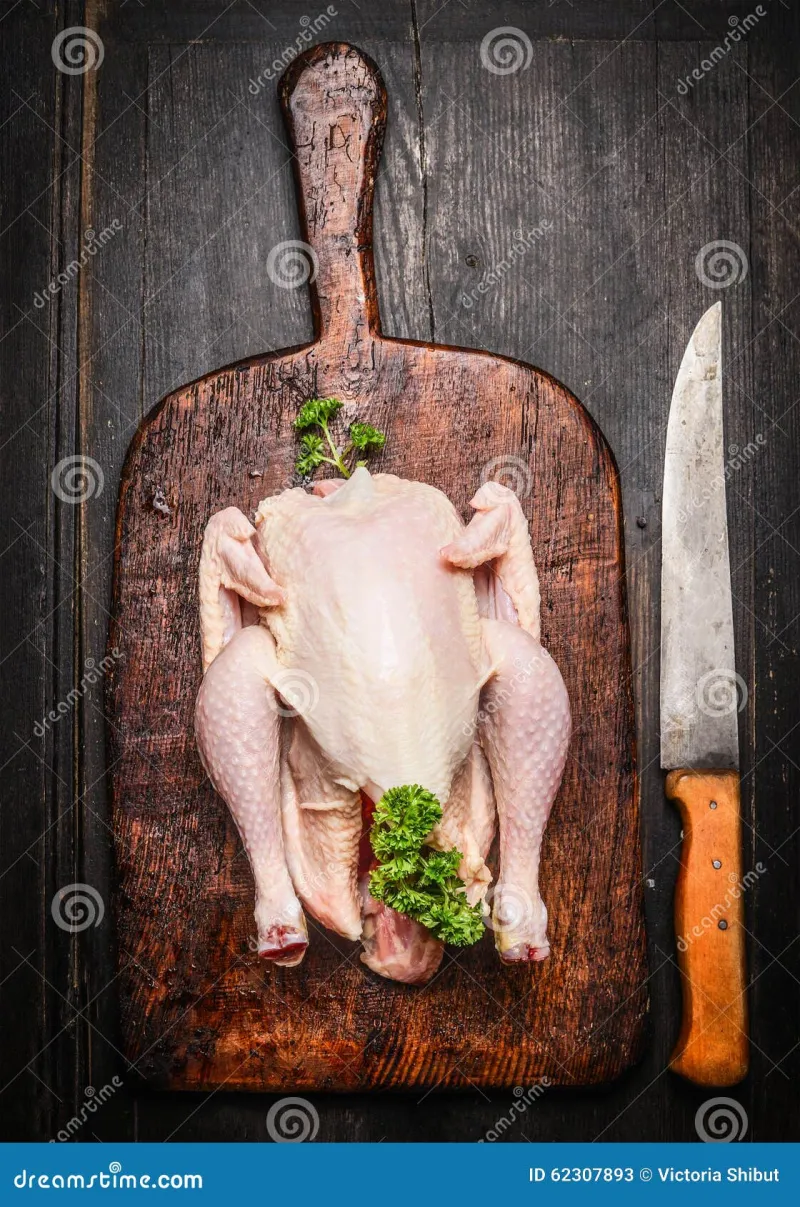
The whole-bird mindset isn't about butchery as performance. It's not about showing off. It's about approaching a chicken — a real one, raised well, from a farm you can trust — with the intention of using all of it, in ways that make sense for your actual life.
That means roasting a whole bird on Sunday and pulling it apart for meals through the week. It means saving the carcass for stock instead of tossing it. It means learning that chicken thighs and drumsticks are not consolation prizes for people who couldn't afford breasts — they're the best parts of the bird, and any chef worth their salt will tell you so.
It also means thinking about the bird's life before it got to you. A whole-bird approach is inherently connected to the farm it came from. You can't really embrace this philosophy while buying fragmented, anonymous chicken parts in a styrofoam tray. The mindset starts at the source.
Why Chefs Are Moving Away from Nose-to-Tail Theatrics
Chef Danielle Hooper, who runs a farm-to-table supper club out of Asheville, North Carolina, put it plainly in a recent conversation: "Nose-to-tail became a brand. It became something restaurants used to signal sophistication. The whole-bird approach is the opposite of that — it's humble. It's about feeding people well with less waste and more intention."
She's not alone in that sentiment. Across the country, chefs who built their reputations on elaborate whole-animal butchery are quietly simplifying. Not because they've lost their skills, but because they've realized that the goal was never complexity — it was respect. And you can show respect for an animal without turning its preparation into a spectacle.
Chef Marcus Webb, who sources exclusively from small farms in the mid-Atlantic region for his Washington, D.C. restaurant, describes his current approach as "regenerative cooking." His kitchen uses every part of the bird, but the dishes are unfussy. Stock made from roasted carcasses. Schmaltz rendered from skin and used in place of butter. Livers folded into sauces rather than plated as a precious appetizer.
"The nose-to-tail era taught us what was possible," Webb says. "The whole-bird era is about making that normal."
A Practical Guide for Home Cooks
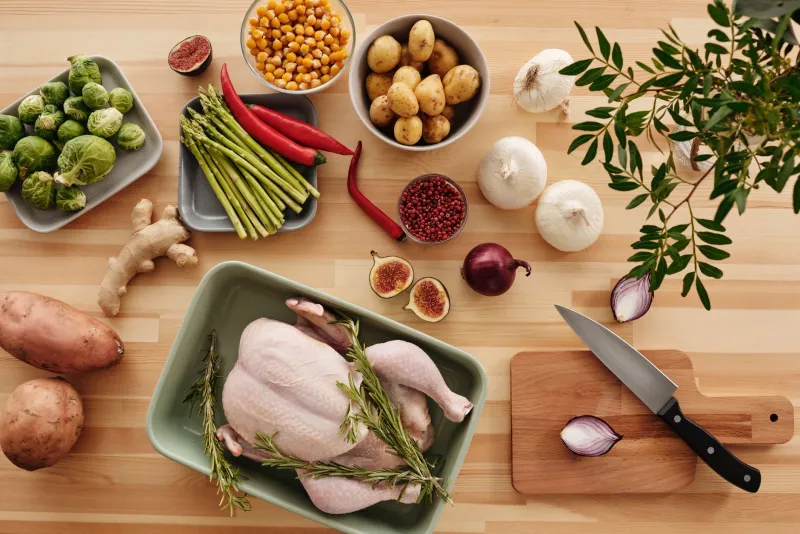
You don't need a culinary degree to live this philosophy. You need a good bird, a sharp knife, and a willingness to be a little less precious about it.
Start with a whole bird. Buying whole chickens instead of pre-cut parts is almost always cheaper per pound, and it gives you control. Break it down yourself — there are a hundred YouTube videos that'll walk you through it in under ten minutes — or roast it whole and carve it at the table.
Save everything. After a roast chicken dinner, strip the carcass clean and drop the bones in a freezer bag. When you've got two or three carcasses saved up, make stock. It takes about three hours of mostly passive time and produces something that will make every soup, sauce, and grain dish you cook for the next month taste significantly better.
Render the fat. Chicken fat — schmaltz — is one of the great underused cooking fats in American kitchens. Collect the skin and any excess fat when you're breaking down a bird, render it slowly in a pan, and save the liquid gold in a jar in the fridge. It keeps for weeks and makes roasted vegetables taste extraordinary.
Learn the thigh. If you're still defaulting to boneless, skinless chicken breasts for everything, this is your invitation to stop. Thighs are more forgiving, more flavorful, and less expensive. They work in braises, on the grill, in sheet-pan dinners, and shredded into tacos. Once you cook with them regularly, you'll wonder what you were thinking.
The Environmental Case for Thinking Whole
There's a reason this philosophy is gaining traction beyond just culinary circles. The environmental argument for whole-bird cooking is real and significant.
When consumers buy only chicken breasts, the market responds by producing more birds and discarding or deeply discounting the rest. That imbalance drives overproduction and waste at scale. When home cooks embrace the whole bird — buying it complete and using it completely — they're participating in a more balanced demand signal that supports more sustainable farming.
Farms that raise chickens with care — slower-growing breeds, pasture access, quality feed — can only survive economically if their product is valued fully. A farmer who raises a heritage breed for 12 weeks instead of 6 needs you to appreciate the thigh as much as the breast. The whole-bird mindset is how that farmer stays in business.
The Real Revolution Happening in American Kitchens
Nose-to-tail was a necessary corrective. It woke a lot of people up. But it was also, in many ways, a restaurant movement that never fully translated to home cooking. The whole-bird philosophy is different. It's designed for real kitchens, real budgets, and real weeknight dinners.
It asks less of you technically and more of you philosophically. It says: buy a good bird, know where it came from, and use all of it. That's not a trend. That's just good cooking.