We Blindfolded Chefs and Fed Them Chicken From Six Different States — Here's What Happened

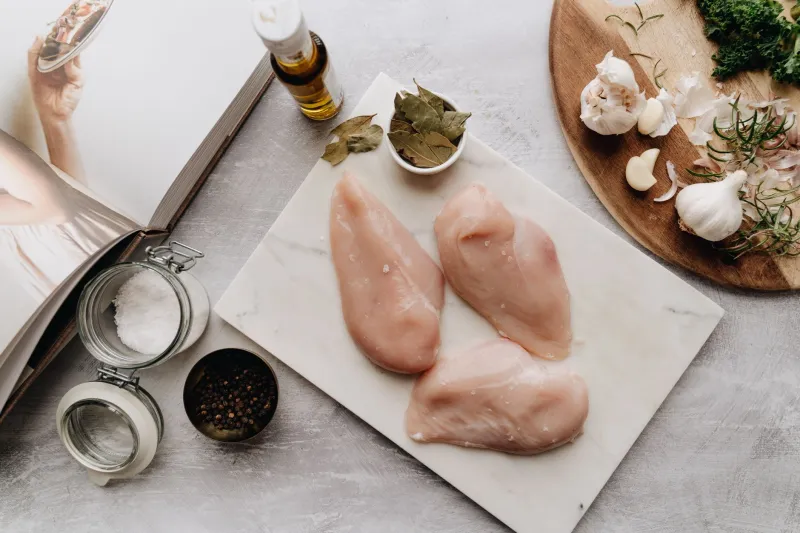
The table looked like something out of a cooking competition. Six identical white plates, each holding a simply prepared chicken breast — same seasoning, same cooking method, same resting time. No labels. No clues. Six birds from six different regional farms across the country, prepared as neutrally as possible so that the only variable was the chicken itself.
The people sitting around that table — two working chefs, a food writer who covers agricultural sourcing, a longtime farmers market vendor, and two home cooks who'd been told only that they were participating in a "chicken tasting" — were about to spend the next ninety minutes arguing, in the best possible way, about something most Americans assume doesn't exist: regional chicken flavor.
The Premise (And the Skepticism)
The concept of terroir — the idea that a food's flavor is shaped by the specific environment in which it was produced — is well established in wine, cheese, and increasingly in produce. Apply it to chicken, though, and you'll get a lot of raised eyebrows.
Chicken is chicken, the skeptic's argument goes. It tastes like whatever you put on it. The idea that a bird raised in Vermont tastes meaningfully different from one raised in Georgia is, to a lot of people, the kind of thing food writers say to justify expensive purchases.
We wanted to test that assumption seriously, not just philosophically. So we sourced birds from six farms across distinct regions — the Pacific Northwest, the upper Midwest, New England, the mid-Atlantic, the Deep South, and the high plains of Colorado — and ran them through as controlled a tasting as we could manage in a real kitchen.
Each bird was a pasture-raised heritage or heritage-cross breed. Each was cooked sous vide to an identical internal temperature, then briefly seared, and served without salt or fat beyond a light brush of neutral oil during the sear. The goal was to get as close to the flavor of the bird itself as possible, stripped of technique.
What the Tasters Found
The first surprise came within minutes: people did not find all six samples the same.
The Pacific Northwest bird — raised on a farm in western Oregon where the diet included foraged greens and the climate runs cool and damp — drew immediate comments about its depth of flavor and what one chef described as "a slight earthiness, almost mushroomy, that I wasn't expecting from chicken." The fat was noticeably yellow, suggesting a diet rich in carotenoids from pasture forage.
The New England sample, from a Vermont farm, was leaner and more delicate — cleaner on the palate, with what the food writer called "a kind of brightness" that set it apart. The tasters generally rated it as less complex but more approachable.
The Deep South bird was the most polarizing. It had a more pronounced flavor — almost gamey in a way that some tasters found exciting and others found challenging. The farm it came from raises its birds in a hot, humid climate with a diet that includes spent grain from a nearby brewery. That feed difference, we later learned, has a measurable effect on fat composition.
The high plains Colorado bird was the leanest of the six, with a cleaner, slightly more neutral flavor profile. The upper Midwest sample sat in the middle of the range — well-balanced, rich without being overwhelming, the one that the home cooks tended to rank highest simply because it matched their expectations of what chicken should taste like.
Why Flavor Actually Varies
After the tasting, we sat down with an agricultural consultant who works with small poultry farms to understand the science behind what the table had just experienced.
The short version: chicken flavor is influenced by at least four major variables, and regional farming tends to cluster around different combinations of all four.
Feed is probably the biggest driver. What a chicken eats determines the fatty acid profile of its meat and fat. Chickens with access to diverse pasture forage — grasses, insects, seeds — develop different fat compositions than those raised on uniform grain rations, even high-quality ones. Omega-3 content, carotenoid levels, and the ratio of saturated to unsaturated fats all shift based on diet, and all of those changes affect flavor and texture.
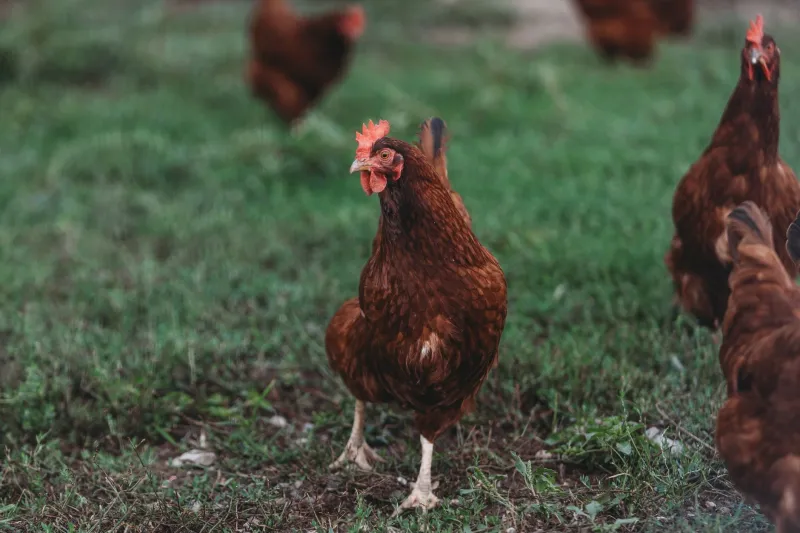
Breed matters significantly. Heritage breeds like Barred Rock, Delaware, or Freedom Ranger have different muscle fiber compositions than the Cornish Cross that dominates commercial production. Denser muscle fibers generally mean more flavor — and more chew, which is either a feature or a bug depending on who you ask.
Climate and stress levels play a subtler role. Birds in cooler climates tend to develop more subcutaneous fat as insulation. High-heat environments can affect how efficiently a bird converts feed to muscle. Chronic stress from overcrowding or poor conditions elevates cortisol, which has measurable effects on meat quality — one reason why welfare standards and flavor are more connected than they might seem.
Water quality is the sleeper variable that most people don't think about. Chickens drink a lot of water, and the mineral content of local water sources does influence flavor at the margins, much the way it affects bread or beer made in different regions.
What This Means for How You Shop
The tasting didn't produce a winner. That wasn't the point. What it produced was something more useful: evidence that regional sourcing isn't just a marketing story.
The differences weren't dramatic — this isn't the gap between a supermarket tomato and one from your garden. But they were real, consistent, and describable. Trained and untrained palates alike picked up on them, even without knowing what they were tasting or where it came from.
For home cooks, the practical takeaway is this: if you've been buying chicken purely on price and availability, you've been making decisions without full information. The bird you're cooking has a flavor identity shaped by real, specific conditions — and that identity is worth knowing about.
Farm-direct sourcing gives you that information. Not as a luxury add-on, but as a baseline. You know the region, often the farm, sometimes the breed and the feed program. That's not precious. That's just knowing what you're cooking.
And as our tasters discovered, once you start paying attention, the differences are hard to un-taste.